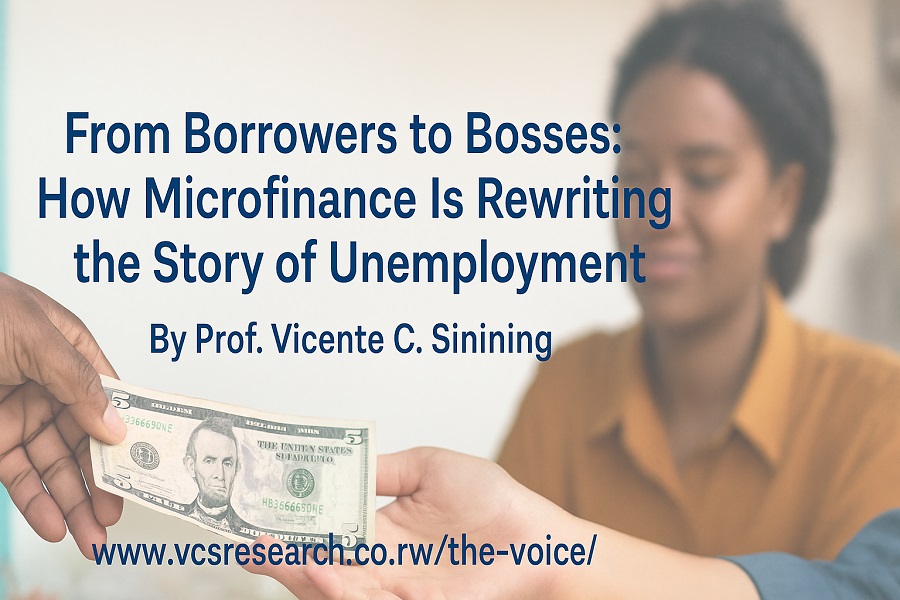
In a small shop nestled along a bustling roadside in Nyabugogo, Rwanda, Aline arranges rows of handmade soap—crafted with care and confidence—thanks to a modest microloan. Her smile, as radiant as the morning sun filtering through the awning, tells a deeper story: one of economic empowerment, personal transformation, and the quiet defiance of unemployment’s grip.
Aline is among millions across the globe turning to microfinance—not merely for capital, but for a chance. A chance to step off the sidelines of poverty and into the rhythm of enterprise, dignity, and self-determination.
📉 Unemployment: The Global Malaise
From Lagos to Lima, unemployment continues to sweep across continents and demographics like an unrelenting tide. According to the World Bank and the ILO, millions of youth enter the labor force each year with little more than a certificate and a dream—but few concrete opportunities.
The root issue lies in the structural rigidity of many labor markets: outdated vocational systems, underfunded industries, and glaring disconnects between academic output and market demand. In Sub-Saharan Africa, urban youth unemployment hovers around 30% in several cities.
🛠 Enter Microfinance: A Toolkit for the Jobless
Once perceived merely as “banking for the poor,” microfinance has expanded into a multifaceted ecosystem that includes savings, insurance, mobile banking, and entrepreneurial training. It now functions both as a safety net and a launchpad.
What sets microfinance apart is its human-centered design. Rather than assuming people need handouts, it operates on the belief that people need access—and that with capital and training, they will forge their own future.
🔍 The Mechanisms at Work
- Capital for Creation: Microloans enable start-ups and small businesses, especially where formal employment is limited.
- Skills for Success: Many microfinance institutions (MFIs) provide business development training alongside lending to boost sustainability.
- Trust and Transformation: Group lending models build accountability, mutual support, and community trust.
- Gender Inclusion: Microfinance empowers women—often excluded from the labor market—to emerge as resilient entrepreneurs and leaders.
🌍 Case Studies that Speak Volumes
Bangladesh’s Grameen Bank exemplifies how group lending can achieve over 95% repayment rates while lifting millions out of poverty. In Africa, tailored microfinance programs for smallholder farmers have boosted food security and employment. Meanwhile, Kenya’s Equity Bank has revolutionized financial inclusion by delivering digital services to rural entrepreneurs previously excluded from the formal economy.
In every context, enabling conditions matter. Where policy frameworks support microfinance, digital infrastructure is strong, and sociocultural dynamics are favorable, microfinance does more than survive—it thrives.
🚧 Not Without Its Pitfalls
However, microfinance is not a silver bullet. Critics caution against romanticizing its impact. High interest rates, borrower over-indebtedness, and insufficient regulation can undercut its benefits. In some cases, loans are diverted for consumption rather than investment, trapping borrowers in cycles of debt.
Furthermore, gender barriers may persist even after women access credit, as decision-making often remains with male household members.
🤝 The Path Forward: Partnerships and Policy
The future lies in integrating financial services with vocational training, linking borrowers to market access platforms, and using mobile technology to reach underserved areas.
Strategic partnerships—with governments, NGOs, and private sector actors—are essential to provide wraparound support, from compliance and mentorship to scaling innovations in delivery.
📈 From Poverty Reduction to Employment Creation
Well-implemented microfinance programs have shown a 12–17% rise in self-employment within a few years. In several African countries, such interventions have contributed to double-digit reductions in youth unemployment.
The impact is evident: microfinance is not just a tool for income—it fosters employment, social cohesion, and long-term resilience.
🎯 Final Thought: A New Narrative
Finance is often seen as cold and transactional. But microfinance—done right—is profoundly transformational. It restores dignity, builds agency, and rekindles the entrepreneurial spirit in communities long marginalized by financial systems and labor structures.
This article is based on the academic paper entitled "The Role of Microfinance in Alleviating Unemployment: A Critical Analysis of Mechanisms, Outcomes, and Policy Implications" by Prof. Vicente Sinining.
Click here to download the full paper.


