QUALITY EDUCATION CRISIS IN RWANDA
By
Prof. Vicente Sinining, PhD, PDCILM
Full Professor, Faculty of Education
University of Technology and Arts of Byumba
Republic of Rwanda
NOTE - This article was originally published in Light Magazine in 2017.
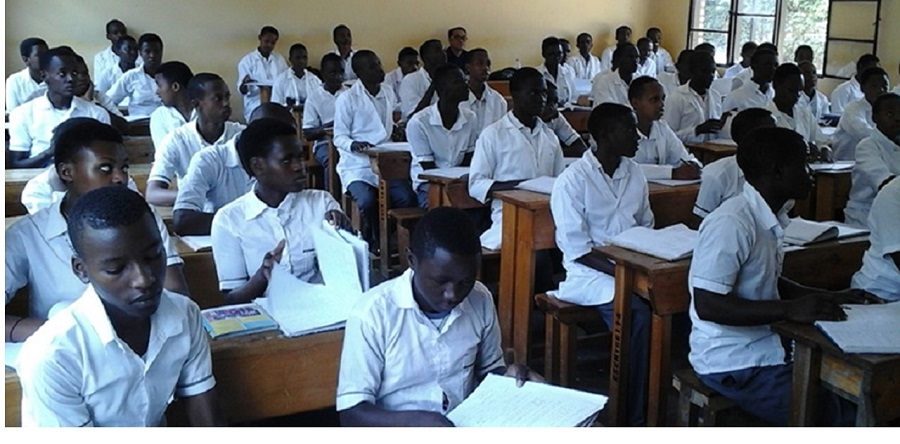
Crisis in education in the whole of Africa has prompted government leaders to take actions. In Rwanda, many students are in school (from the primary to tertiary level) yet many of them are receiving education of poor quality.
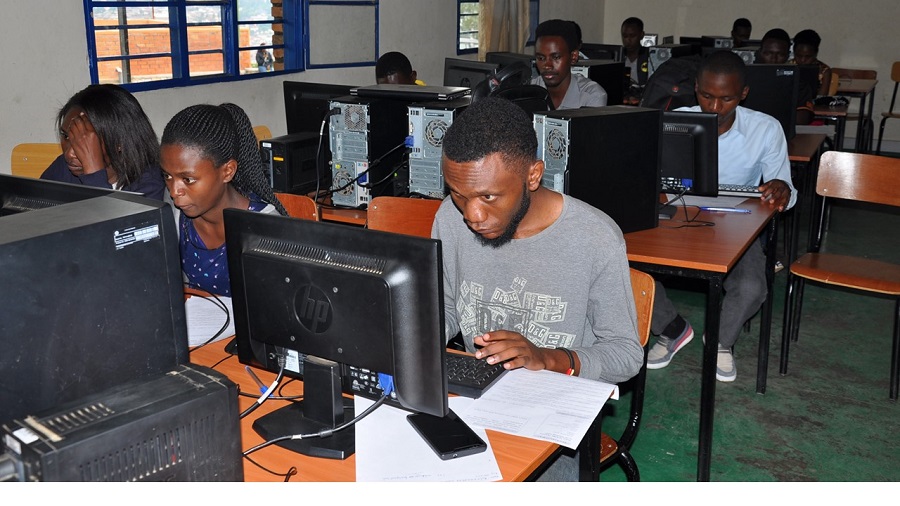
In the higher education sector of Rwanda, many institutions have offered degree programs with inappropriate facilities. Many students have graduated but learning too little and most are still incompetent to practice in the real world. I have the opportunity to serve as a Vice(Chancellor of one of the universities for two academic years. In that short period of time, I experienced the current efforts of the Higher Education Council in seriously monitoring the delivery of programs and status of facilities and infrastructure of each Higher Education Institution (HEI). Truly, a good beginning in moving forward towards providing Rwandans a better quality in their pursuits of higher education.
My tenure at MGUR provided a new insight and understanding on higher education in Africa, and a hands-on experience on how the government is moving forward towards the quality of education and learning achievement. I was very impressed of the development of most sectors in Rwanda, except the education. As a former leader of a higher institution, I observed the slower pace of development in higher education and the low quality of teaching and learning provided to students. Impressive enough, the government has started enacting programs and passing laws to unlock the potential of HEIs. The government passed and signed the Higher Education Law in 2021. In the previous year, the Higher Education Council released its Audit Reports to HEIs conducted by external auditors. Many of the private institutions were suspended as the government directed its attention towards the quality of education and learning achievement. In my personal view, the suspension of many HEIs was necessary to impose specific rules to HEIs in order to provide quality education to Rwandans. Many Rwandans are now in school, but most of them are not learning effectively.
Graca Machel once said, Education has the capacity to break the intergenerational cycle of poverty. Go to any poor rural village or urban slum and you will find Africans who share that view. I find this to be true in my experience visiting many poor rural villages in Rwanda. However, for education to be able to break the cycle of poverty, students must learn the core skills to be competent in the real world and schools have the moral obligation to provide these. When schools deliver appropriate curriculum with qualified trainers and sufficient facilities, students learn. And we all know that learning drives economic growth, fuels innovation and create jobs. But how many Rwandan graduates are competent enough to land into high paying jobs? How many of them actually go the skills after graduation that enables them to escape poverty and build prosperity? Did schools provide their graduates the power to build more secure livelihoods, enjoy better health and participate in political process that affect their lives?
The crisis in education in Rwanda, and in the whole of Africa, is evident on the skills that students obtained from their training. The good news is that in Rwanda, the government is doing the right thing in working towards improving the quality of education and learning achievement.
It is time that we all focus on the quality of education we provide to our future generation of leaders instead of looking at these necessary changes as politically motivated. Too many of us are focusing on getting more students enrolled in our schools, yet we forgot to provide them the quality of education they deserve so they can have the power to improve their lives, enjoy better income, and actively get involved in the political processes that affect them.