NOTE: This paper was presented at the First International Research Congress at Cebu Doctors University, Philippines, in 2023.
ABSTRACT
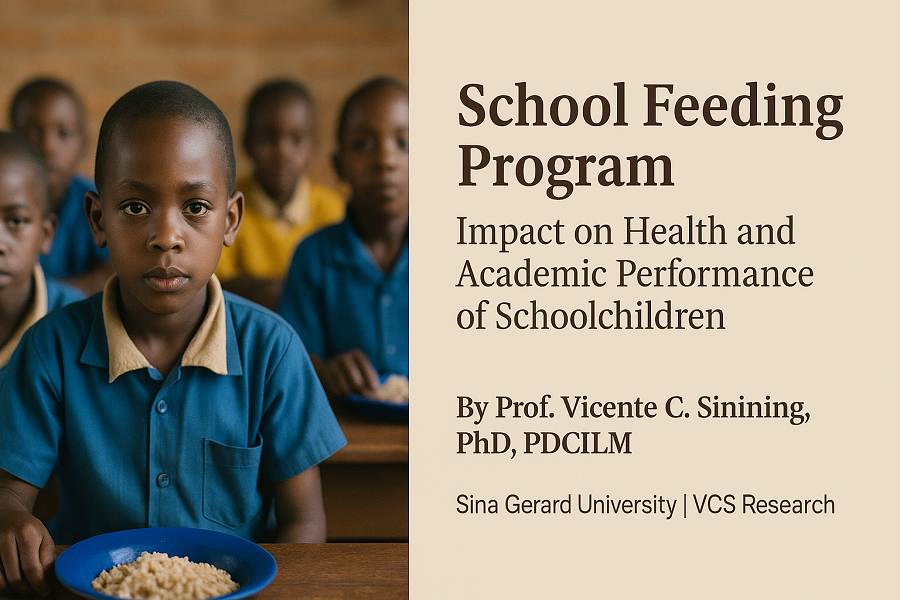
The author investigated the impact of school feeding program on the health and academic performance of children in the first 9 years of basic education in selected Districts of the Northern Province in Rwanda. School feeding program is essential in providing a nutritious and balanced diet to children in schools. Students spend most of the day in schools. Thus, they have the moral and ethical obligations to respond to the precipitous increase in the incidence of hunger and malnutrition among children. The author analyzed the attendance of children and investigated their academic performance before and after the introduction of school feeding. Various studies, reports, authentic references, experiences, and empirical evidence were used to come up with salient data needed. The study revealed that there is a significant improvement on the health, attendance, and academic performance of students covered under the feeding program. The author presented a rationale for school feeding program to improve the nutritional quality of children's diets; to encourage healthy dietary behaviors; to encourage school attendance; and to improve the academic performance of the children while preventing hunger and malnutrition. A policy on preventing health issues among children in basic education is also recommended.
Keywords :school feeding program, health, nutrition, school attendance, academic performance.
1. Introduction
Education and health are two of the most critical pillars in human capital development. Among school-aged children, these two domains intersect most effectively through the implementation of school feeding programs (SFPs). Globally, undernutrition and food insecurity continue to affect millions of children, impeding their cognitive development and educational progress (FAO, 2022). In Rwanda, the Ministry of Education has recognized the need to integrate nutritional support into education systems, especially for vulnerable children in rural districts (MINEDUC, 2020).
The Northern Province of Rwanda, with its mixture of mountainous terrain and remote communities, presents significant barriers to food access and regular school attendance. This study aims to analyze the direct and indirect impacts of school feeding programs on the well-being and academic performance of learners in this region. It situates school feeding not only as a health intervention but as a systemic strategy to reduce educational inequality and improve learning outcomes.
To read the full academic paper, click here.
To access various published papers in international journals, authored and co-authored by Prof. Sinining, Click here


